
‘100% OPSEC’ Apparently Means Texting Battle Plans to a Reporter
OPSEC is out. Signal Intelligence is in.

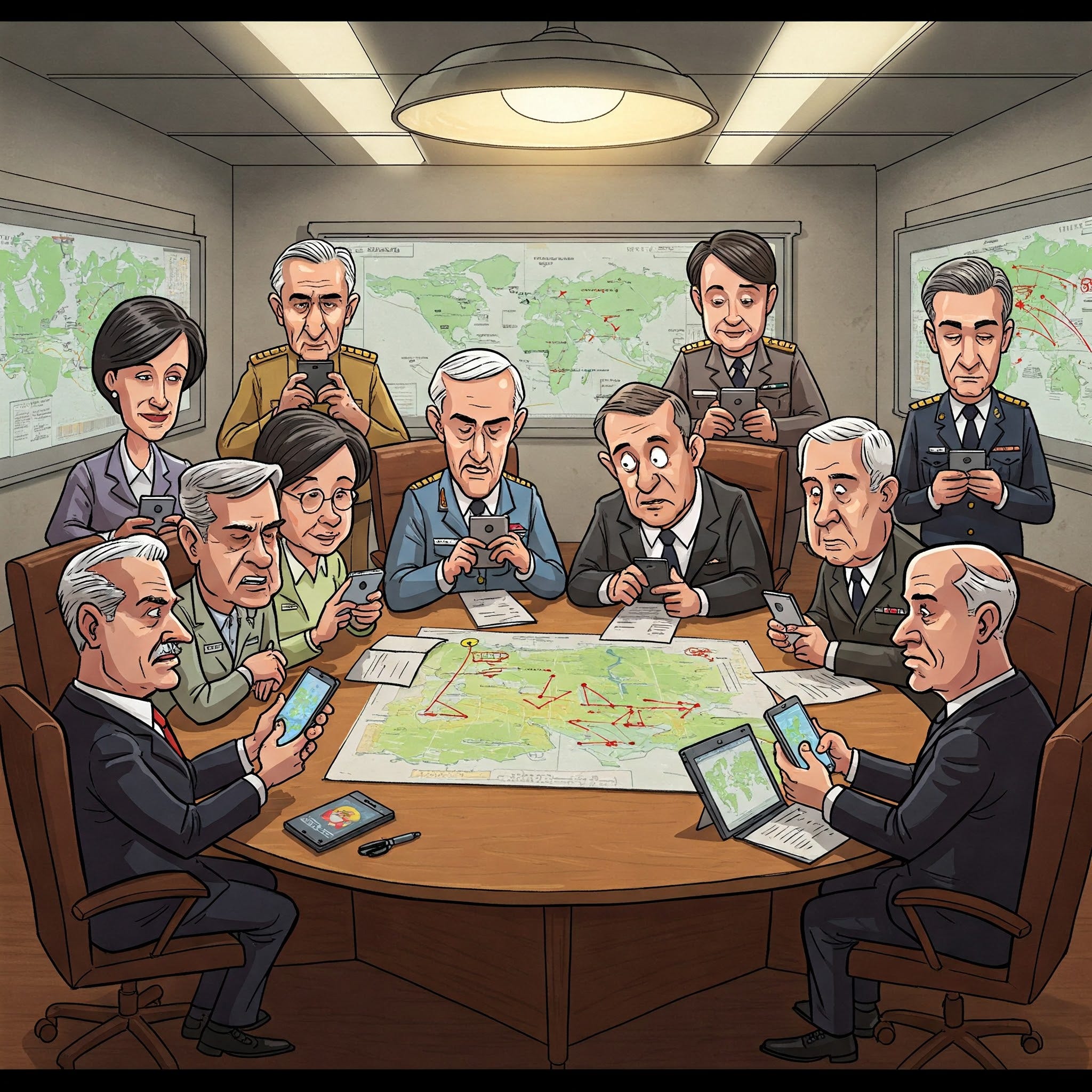
Ladies and gentlemen, gather 'round for the latest episode of "Government Gone Wild," where the current administration's national security strategy seems to be inspired by a mix of reality TV drama and a comedy of errors. In an astonishing display of what can only be described as "strategic buffoonery," our esteemed leaders have redefined the concept of operational security (OPSEC) by inadvertently including a journalist in a group chat detailing top-secret military operations.
The Cast of Characters:
Defense Secretary Pete Hegseth: The man who believes that "100% OPSEC" involves sharing sensitive battle plans in a group chat.
National Security Advisor Michael Waltz: The maestro who orchestrated the addition of Jeffrey Goldberg, editor-in-chief of The Atlantic, into this exclusive circle of trust.
CIA Director John L. Ratcliffe: Another key player in this clandestine circus, contributing his own pearls of classified wisdom.
Jeffrey Goldberg: The accidental recipient of this treasure trove of secrets, who must have felt like he stumbled upon the Holy Grail of journalism.
The Plot Unfolds:
On March 15, in a move that would make even the most novice spy cringe, Hegseth shared intricate details about impending airstrikes against Houthi rebels in Yemen. This included specifics about targets, weaponry, and attack sequences. All of this in a Signal group chat that, unbeknownst to them, included a journalist. Hegseth even assured the group, "I will do all we can to enforce 100% OPSEC," a statement now destined for the hall of fame of ironic quotes.
The Comedy of Errors:
The pièce de résistance? The inclusion of Jeffrey Goldberg in this digital war room. It's unclear whether this was a case of fat-finger syndrome or a misguided attempt at transparency. Regardless, it resulted in a journalist having a front-row seat to classified military planning. Goldberg, perhaps bemused by the whole ordeal, eventually exited the chat, but not before the damage was done.
The Aftermath:
In response to this debacle, the National Security Council acknowledged the authenticity of the messages and is now "reviewing how an inadvertent number was added to the chain." They also lauded the "deep and thoughtful policy coordination between senior officials," a euphemism for what the rest of us recognize as a catastrophic lapse in judgment.
The Bigger Picture:
This incident is not just a minor blunder; it's a glaring testament to the administration's cavalier approach to national security. When top officials treat classified information with the same care as a group chat about weekend plans, it raises serious questions about their competence and the safety of our nation.
In Conclusion:
In the theater of the absurd that is our current government, this episode stands out as a masterclass in how not to handle national security. It's a sobering reminder that when it comes to safeguarding our nation's secrets, we should demand more than just lip service to "100% OPSEC." Otherwise, we might as well start live-tweeting our military strategies and hope our adversaries are too busy laughing to take advantage. 🐴
Loud Donkey is your unapologetic home for bold, common-sense takes that cut through the noise and call out the nonsense—no matter where it comes from. Join The Bray, our growing community of folks who aren’t afraid to speak up, challenge the status quo, and make some serious noise. Subscribe to our work here and follow us over at Bluesky.